 Meridian
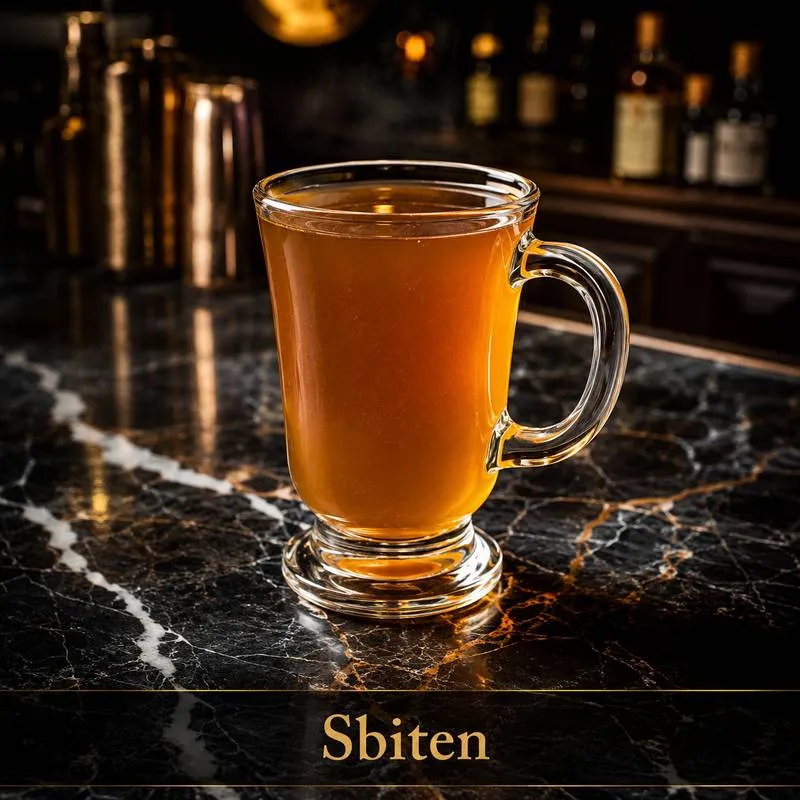
Sbiten Drink Recipe from Russia
Pronunciation: SBEE-ten · Origin: Russia · Glass: Mug · Difficulty: Beginner · Strength: 0% ABV · Serve: Hot (70 to 85°C / 158 to 185°F) · Style: Flat · Era: Ancient & Medieval · Season: Winter · Flavour: Honeyed, Spiced, Warming, Aromatic, Soothing
What it tastes like
Hot, honeyed, and aromatic: sweet honey laced with cinnamon, clove, and a warming ginger bite, finished with cooling mint. Soothing and deeply spiced, like a Russian answer to mulled cider.
Ingredients
- 150 g (5.3 oz) Honey
- 1 litre (34 oz) Water
- 1 piece Cinnamon Stick
- 4 pieces Whole Cloves
- 20 g (0.7 oz) Fresh Ginger
- 1 piece Bay Leaf
- 3 sprigs Fresh Mint
Method
- Bring the water to a gentle boil, then whisk in the honey until fully dissolved.
- Add the cinnamon, cloves, sliced ginger, and bay leaf.
- Simmer over low heat for 15 to 20 minutes, skimming any foam.
- Add the mint in the final 2 minutes for a fresh top note.
- Strain out all the spices.
- Serve piping hot in mugs or heatproof glasses, ideally outdoors on a cold day. For an alcoholic version, stir in a splash of red wine before serving.
Sourcing the ingredients
Sourcing difficulty: Easy
A simple infusion of honey, water, and warming spices, all common pantry items. The character comes from the spice blend, so use whole spices and good aromatic honey. Some versions add a splash of red wine to make an alcoholic ‘spiked’ sbiten.
History
Sbiten is one of the oldest recorded Russian drinks. It is widely said to have been first mentioned in chronicles in 1128, but the sources that repeat that date do not name the chronicle, so it is unconfirmed. Firmer records include a recipe in the 16th-century Domostroy and a 1652 letter from the tsar forbidding the monks of the Kirillo-Belozersky Monastery to make alcoholic sbiten. Long before tea arrived from China, sbiten was the everyday hot beverage of Rus, a warming infusion of honey, water, and spices that sustained people through the brutal winters. Its name comes from the verb sbivat, ‘to whisk or bring together,’ referring to the combining of its many ingredients.
In the cities of Imperial Russia, mobile sbiten vendors called sbitenshchiki carried large samovar-like urns through the streets and markets, dispensing the steaming drink to workers and travellers, much as coffee carts operate today. The rise of cheap tea in the 19th century gradually pushed sbiten to the margins, but it has seen a revival since the end of the Soviet Union, often sold as a sweet spiced syrup.
Cultural significance
Sbiten is a powerful emblem of old Russia and its pre-tea drinking culture, evoking the bustling street life of the Imperial era and the centrality of honey to the Russian diet. As a warming, alcohol-free (or lightly spiked) hot drink, it is often associated with winter festivities such as Maslenitsa, where it may be served alongside blini and pastries. Its revival reflects a broader contemporary interest in reclaiming authentic Slavic culinary traditions.
Food pairings
- Blini
- Pryaniki (spiced cookies)
- Baranki
- Honey cake
Get Meridian
Keep all 888 drinks from 141 countries in one app: search any drink by name, browse by country, filter by flavour, switch between ml and oz and save your favourites. One price, no ads, no account, and it works offline.